
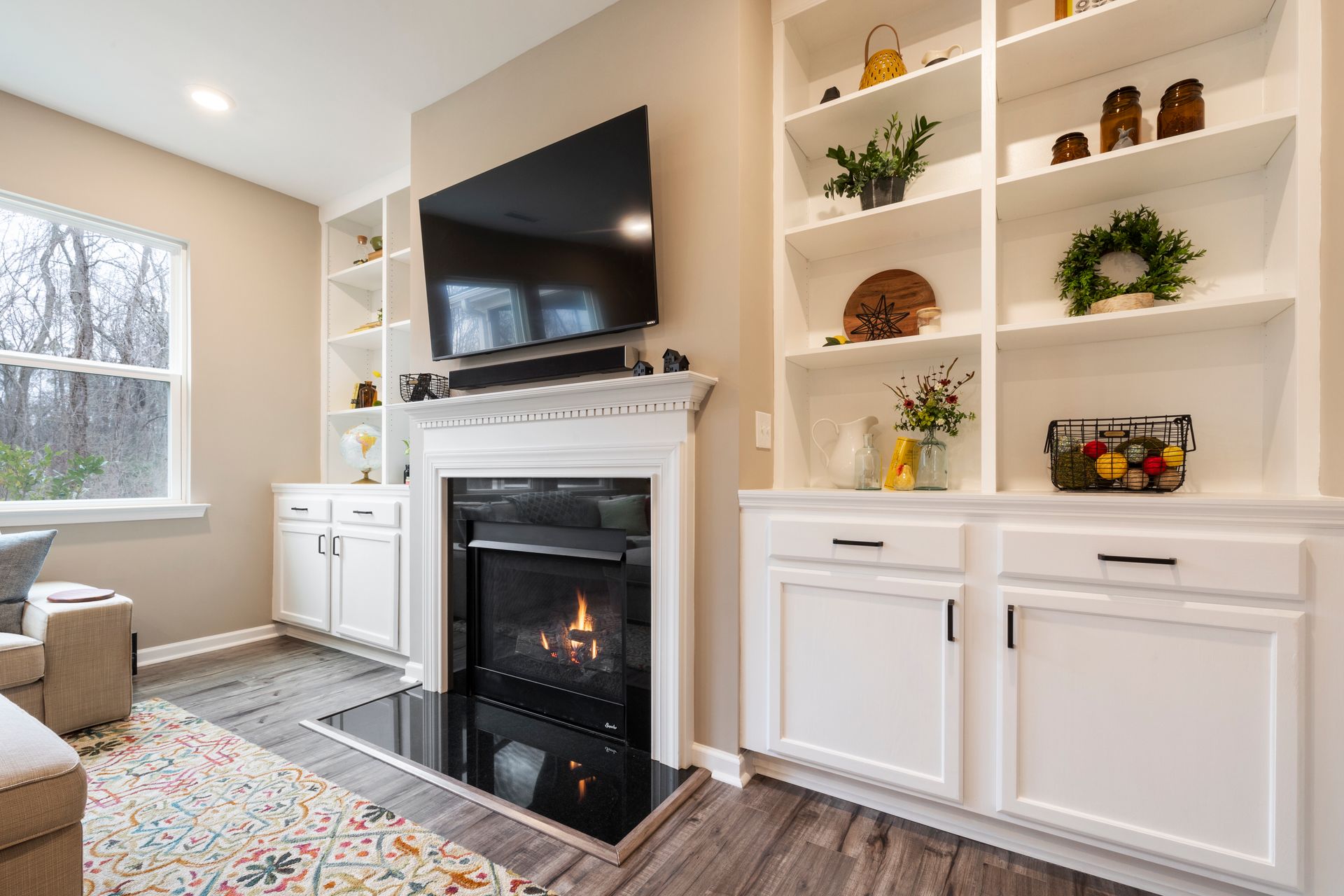
A home can have plenty of storage and still feel cluttered when that storage is poorly positioned. Accessibility, location, and proximity to everyday activities often determine whether cabinets, shelves, and closets actually make a space easier to use. HAUSBAUHELDEN reflects the broader principles of thoughtful residential design, where functionality depends on how individual elements work together rather than how much space they provide. If you have an old home and want to renovate it, it is important to keep storage placement in mind. Storage placed near entryways, kitchens, bedrooms, or work areas can reduce unnecessary movement and keep frequently used items within easy reach. Looking beyond storage capacity reveals why its placement can influence organization, convenience, and even the perceived spaciousness of a home, making it an important part of effective floor planning.
How Storage Location Influences Daily Movement
The position of storage affects how people move through a home while completing ordinary tasks. Items used in a kitchen, for example, are more practical when stored close to the areas where food is prepared, while coats and shoes are easier to manage when stored near an entrance. When belongings are positioned according to their function, unnecessary movement is reduced, and rooms can operate more efficiently. Storage placement therefore connects physical organization with circulation, allowing the home to support everyday activities without requiring excessive effort.
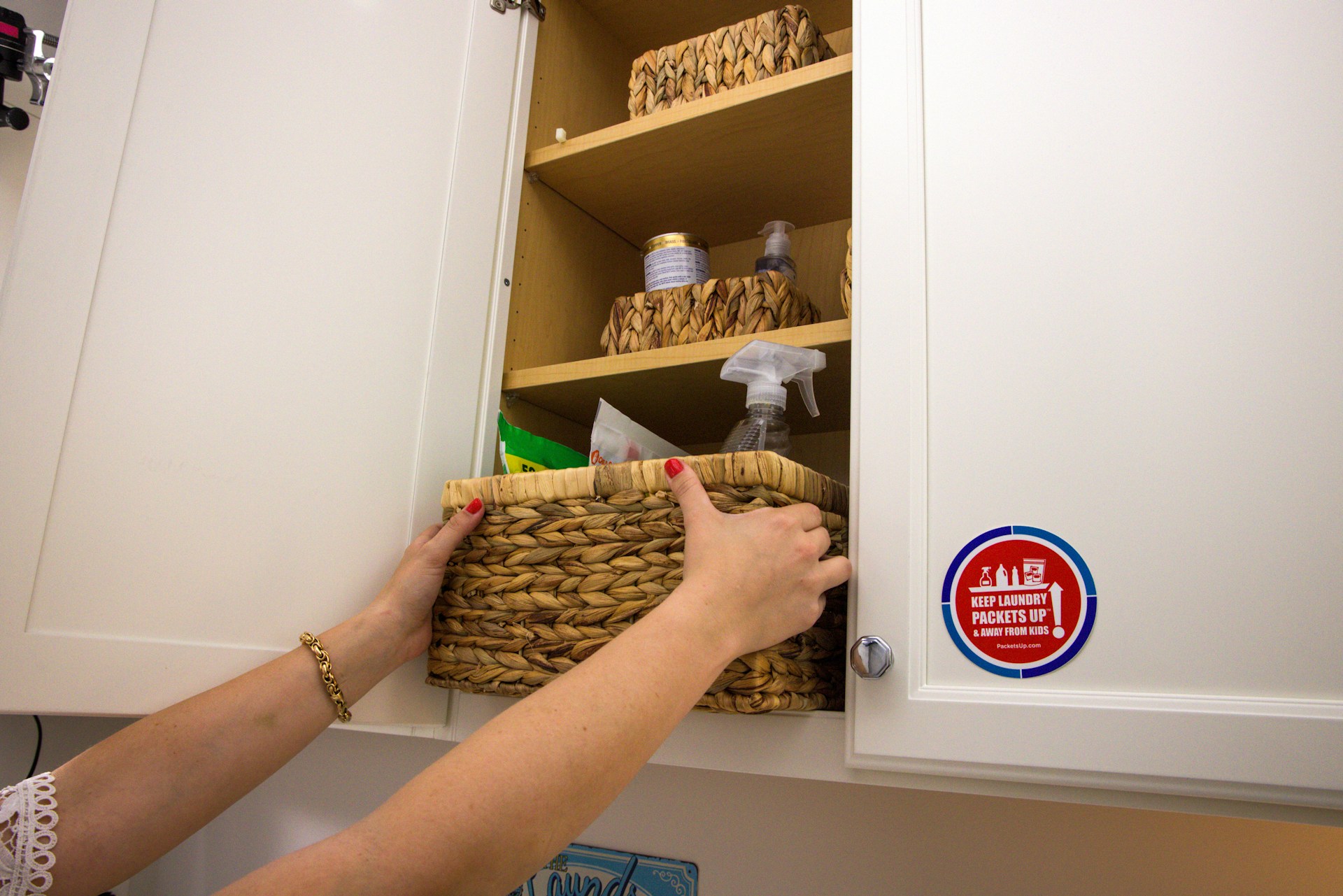
Why Accessible Storage Can Be More Useful
Large storage areas are not necessarily effective when reaching them is difficult or inconvenient. Deep cabinets, high shelves, and poorly positioned closets can make belongings harder to locate and use, making available capacity less valuable. Accessible storage keeps frequently used items within practical reach while allowing less frequently needed belongings to occupy harder-to-access areas. This distinction explains why the usefulness of storage depends not only on its volume but also on how effectively household members can interact with it.
Storage Placement and Room Function
Storage can also influence how clearly different areas of a home serve their intended purposes. Built-in cabinets can help keep work equipment within a home office without allowing it to spread into living spaces. Kitchen storage positioned around preparation zones can support cooking without requiring excessive movement. In bedrooms, appropriately placed wardrobes can reduce visual clutter while preserving circulation space. When storage is integrated into each room’s function, it becomes part of the architecture rather than an obstacle occupying valuable floor area.
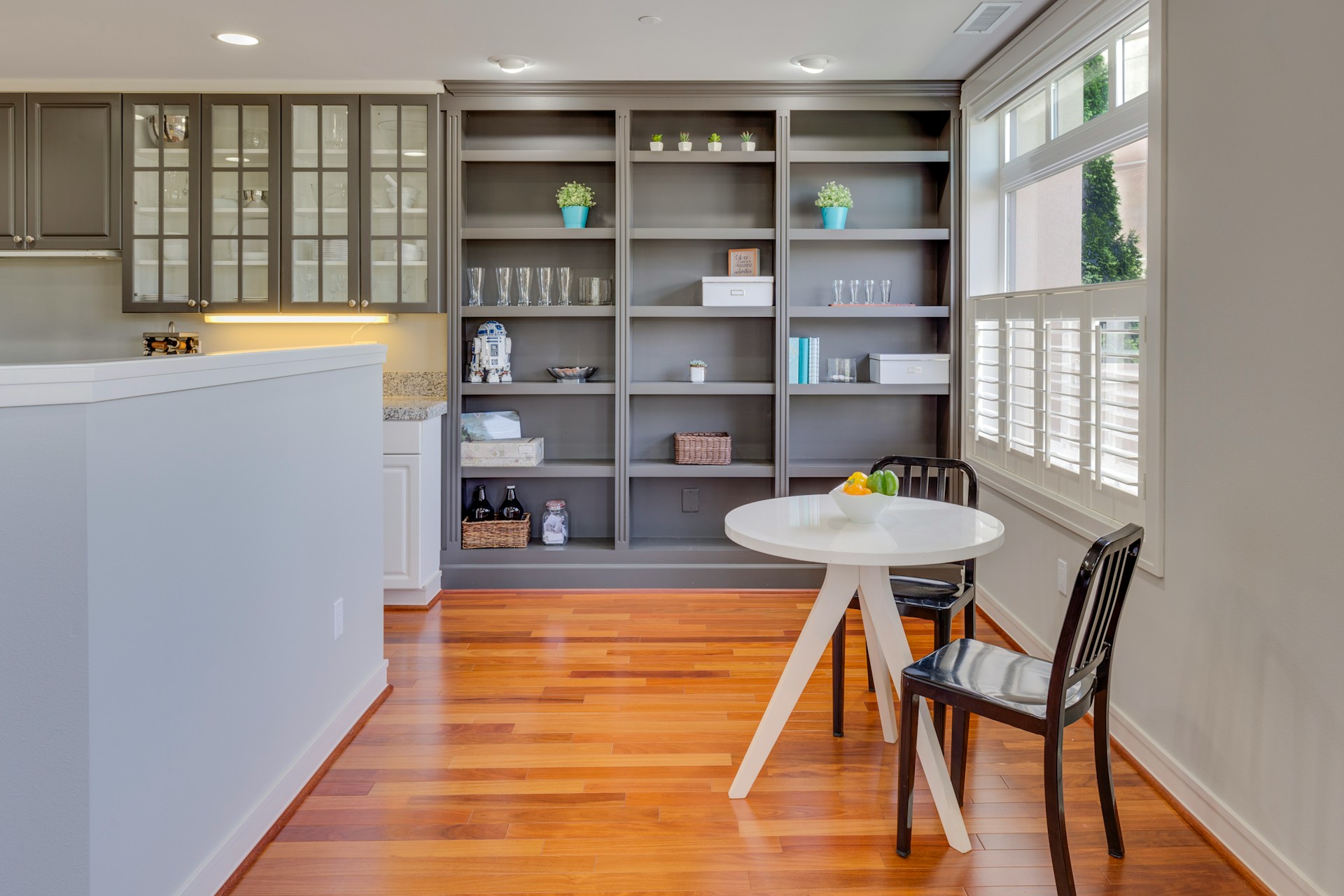
How Storage Affects Perceived Space
The location of storage can influence how spacious or crowded a room appears. Storage positioned along suitable walls can keep floors and circulation paths visually open, while poorly placed cabinets or freestanding units can interrupt movement and make a room feel more confined. Integrated storage can also reduce the number of separate objects visible within a space, creating a more continuous appearance. This means that storage placement affects both practical usability and the visual experience of the home, even when the total capacity remains unchanged.
Storage placement matters more than capacity because useful storage depends on accessibility, location, room function, circulation, and everyday habits. A large amount of storage can still create inconvenience when it is difficult to reach or positioned away from where belongings are needed. Well-placed storage supports movement, reduces visual clutter, and allows rooms to perform their intended functions more effectively. This makes placement a fundamental consideration in residential design, demonstrating that the best storage solution is not necessarily the one that holds the most, but the one that works most naturally within the home.